Recent developments highlight significant changes in personal finance education across the United States, alongside evolving market dynamics influenced by trade disputes.
Increasing Importance of Personal Finance Education
In a notable shift, thirty-nine states now mandate personal finance courses for high school graduation, marking an increase of four states since 2024. This trend indicates a growing recognition of the need for financial literacy among youths, even as economics requirements in schools seem to be diminishing. The failure to equip young adults with essential financial skills often leads to a cycle of debt and financial mismanagement, which disproportionately affects lower-income families. With the rollout of the new Advanced Placement (AP) Business with Personal Finance curriculum this fall, the College Board aims to further integrate financial education into academic structures, adapting to an economy where financial knowledge is increasingly fundamental. These requirements come at a time when many young individuals struggle with student loans and credit card debt. If you're working in this space, you know that a generation raised without solid financial education may not know how to budget or save effectively. The push for financial education reflects a broader societal shift toward accountability and preparedness, driven by the consequences of past financial crises.
Impact of Trade Wars on Essential Goods
Simultaneously, the U.S. market confronts rising costs for everyday items, including toilet paper, due to escalating tariffs on paper products amid ongoing trade tensions with Canada. Recent breakdowns in negotiations have led to tariffs as high as 50%, placing additional financial pressure on consumers and retailers alike. Such trade disputes can have cascading effects, triggering inflation that filters down to consumers, impacting decisions on spending. This situation raises questions about price stability and market behavior in the face of geopolitical conflicts. When households allocate more of their income to cover rising costs of essential goods, discretionary spending tends to suffer. This contraction could stifle overall economic growth, showing how trade policies directly affect everyday life.
Shifts in Startup Education
Regarding startup culture, Paul Graham offers critical insights on what Y Combinator (YC) seeks in aspiring founders. With two decades of refining their model, YC emphasizes support and mentorship that resembles a graduate school experience, preparing entrepreneurs for the market realities they will face post-graduation. Many startups fail due to poor planning or lack of market understanding, making this mentorship framework particularly relevant. The conscious effort to equip founders with both practical skills and industry knowledge reflects an acknowledgment that today's startup landscape is more competitive than ever. Incubation programs have become vital sources of learning and networking, enabling new entrepreneurs to navigate challenges more effectively. This coordinated preparation strategy also ties into larger discussions about fostering innovation and economic development through entrepreneurship.
Tech-Related Crime Trends
In the realm of technology, incidents of violence related to the theft of AI hardware are on the rise. Two recent cases in California have highlighted the extreme measures that criminal organizations will employ to steal vital tech assets. As AI gains traction within various industries, the sheer value of this equipment makes it a prime target in the burgeoning AI ecosystem. Experts weigh in, warning that this uptick in tech-related crime could deter investment in new startups if security concerns continue to loom large. Criminal elements may capitalize on perceived vulnerabilities in the AI supply chain, pushing companies to strengthen their security protocols—at an increased cost. This dynamic poses a challenge for innovation in an already risk-averse environment.
Changing Real Estate Dynamics
Real estate trends reveal that wealthy New Yorkers, priced out of the Hudson Valley, are increasingly investing in the Catskills. This once-hidden gem is now undergoing substantial renovations and new constructions as affluent buyers seek alternatives. For instance, a couple recently acquired a home near the Toronto Reservoir for about $1.65 million, showing that home-buying patterns are shifting toward more desirable but still relatively affordable locations. The migration of affluent buyers can notoriously inflate property values, leading to gentrification and potential displacement of long-standing communities. Housing markets are not solely influenced by local economies; they are reflections of broader societal trends and demographic shifts. This can lead to a mix of opportunities and challenges within the communities adapting to quick changes.
Health Innovations and Consumer Trends
The landscape of personal health is also evolving, particularly with type 2 diabetes management. Recent research indicates that it may be possible to reverse this condition, providing hope for those previously resigned to chronic management. This development could alter consumer choices regarding health management and medical expenses moving ahead. There's a growing awareness of lifestyle changes and their role in health outcomes. If people can effectively manage or even reverse chronic conditions through new methods, it could drastically reduce long-term healthcare costs. This shift in consumer attitudes presents opportunities for health brands and pharmaceuticals to innovate in ways that directly address consumer needs.
The Fractured Relationship with Technology
Finally, the conversation around managing our tech-driven lives continues. Following a controversial op-ed where Stanley Druckenmiller employed AI tools for writing, the discourse around the impact of technology on human skills has intensified. His candid admission regarding his transition from English major to economics resonates amid broader societal conversations about the role of technology in shaping our capabilities. There's an emerging concern regarding the balance of technology usage and human creativity, particularly in roles traditionally filled by skilled professionals. As businesses increasingly adopt AI tools, how will the workforce adapt? Are we becoming overly reliant on technology to perform tasks that once demanded intellectual engagement? The implications are significant and will shape future employment landscapes.
Implications and Future Outlook
The convergence of these trends paints a multifaceted picture of contemporary society, influenced by shifting educational standards, economic pressures, and evolving consumer behaviors. As markets adapt to the realities of trade volatility, technological advances, and emerging health discoveries—consumers and industries alike must remain keenly aware of the ripple effects. Identifying these dynamics offers insight into future strategic planning for both individuals and businesses. The cost pressures consumers face can reshape buying patterns, investment strategies, and even the methods of education delivery in finance and health. As society continues to grapple with these changes, the potential consequences for markets could be profound, impacting everything from housing to technology reliance and beyond.
Video of the day: The rise and fall of Ticketmaster
Text got cheap. Judgment didn’t.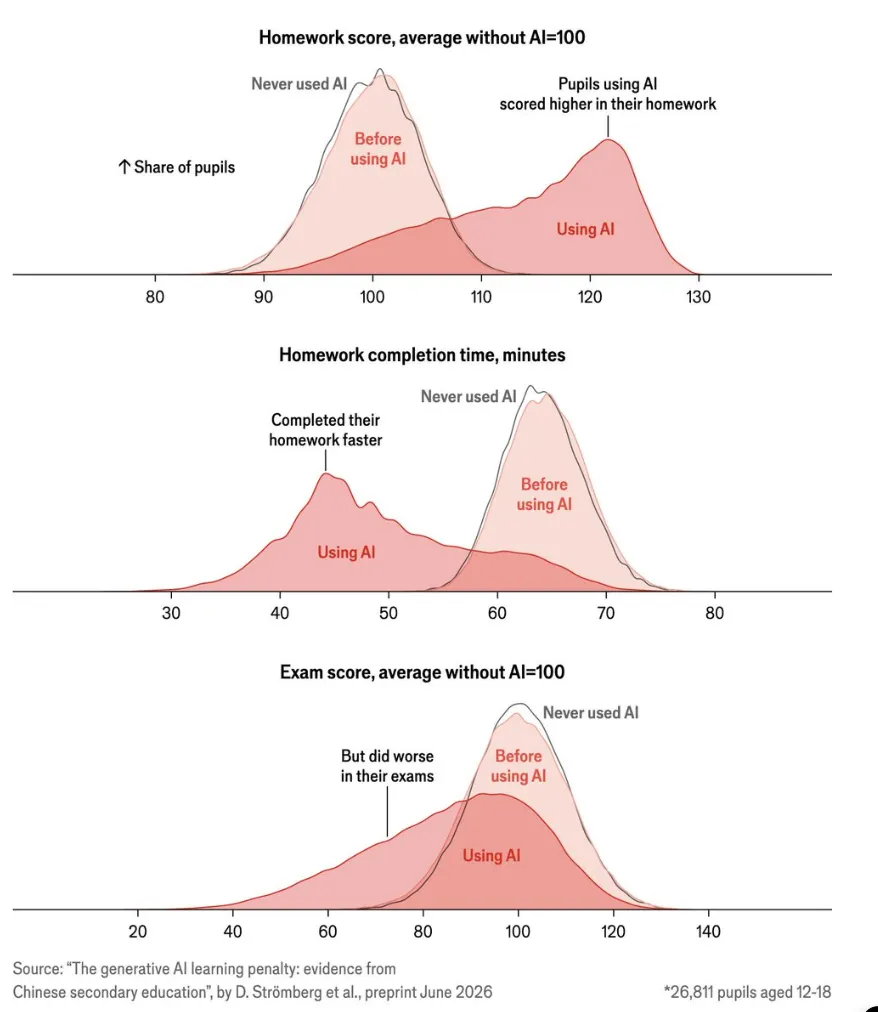
Source: Grasping Reality
Sign up for our reads-only mailing list here.
The post 10 Thursday AM Reads appeared first on The Big Picture.