October sees soaring bond yields, reflecting inflation and economic concerns, impacting borrowing costs and signaling potential volatility in equities.
Market Turbulence as Bond Yields Surge
As October commenced, the global government bond markets faced significant pressure, reflecting investors' shifting perceptions regarding the trajectories of inflation and economic growth. This reassessment pushed sovereign bond yields to highs not seen in decades, resulting in elevated borrowing costs for major economies.
Notably, the benchmark 10-year US Treasury yield peaked at 5.34% on Thursday, a level unheard of since 2002, before stabilizing as buyers stepped in to capitalize on the dip. This surge in yields was not confined to the United States; similar trends emerged in Europe and Asia, with French and Italian government bonds experiencing sharp upward movements and Japanese yields completing a multi-quarter ascent, effectively reversing years of historically low rates.
In the United Kingdom, the situation was equally striking, as the 30-year gilt yield crossed the 6% mark, a benchmark not witnessed since the late 1990s. This selloff in bonds aligns with the largest quarterly uptick in US long-term yields this century, driven by a near one-percentage-point rise in the 10-year yield for the three months ending in September. Analysts attribute this turbulent period to a combination of stronger economic data, persistent inflation concerns, and considerable public borrowing requirements.
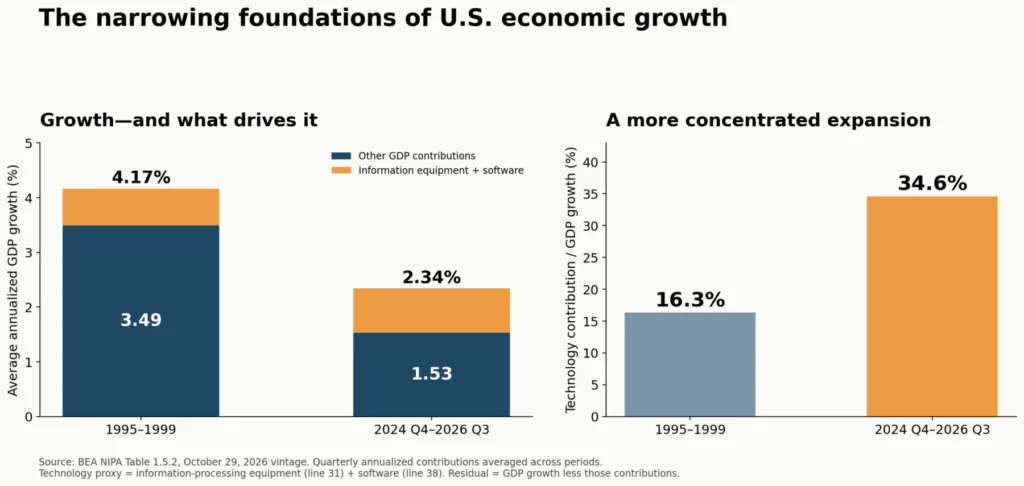
The situation is exacerbated by rising oil prices, with Brent crude surging above $100 per barrel, influenced by China's suspension of fuel exports and the ongoing geopolitical uncertainties surrounding supply chains. Compounding these challenges, extensive investments in artificial-intelligence infrastructure have raised expectations for growth and monetary policy trajectories, further intensifying competition for capital.
The implications of these developments are profound. US federal debt has now exceeded $40 trillion, with debt-to-GDP ratios surpassing 100% in many G7 nations. Martha Norton, chief investment strategist at Empower, warns that the ramifications may extend beyond the fixed income markets into equities, suggesting potential for heightened market volatility, reassessed equity valuations, and increased refinancing costs for companies repaying debt.
While the immediate effects of rising yields can potentially offer improved returns for bondholders after a challenging period, the overarching concern is that continued increases could lead to tighter financial conditions affecting households, businesses, and governments.
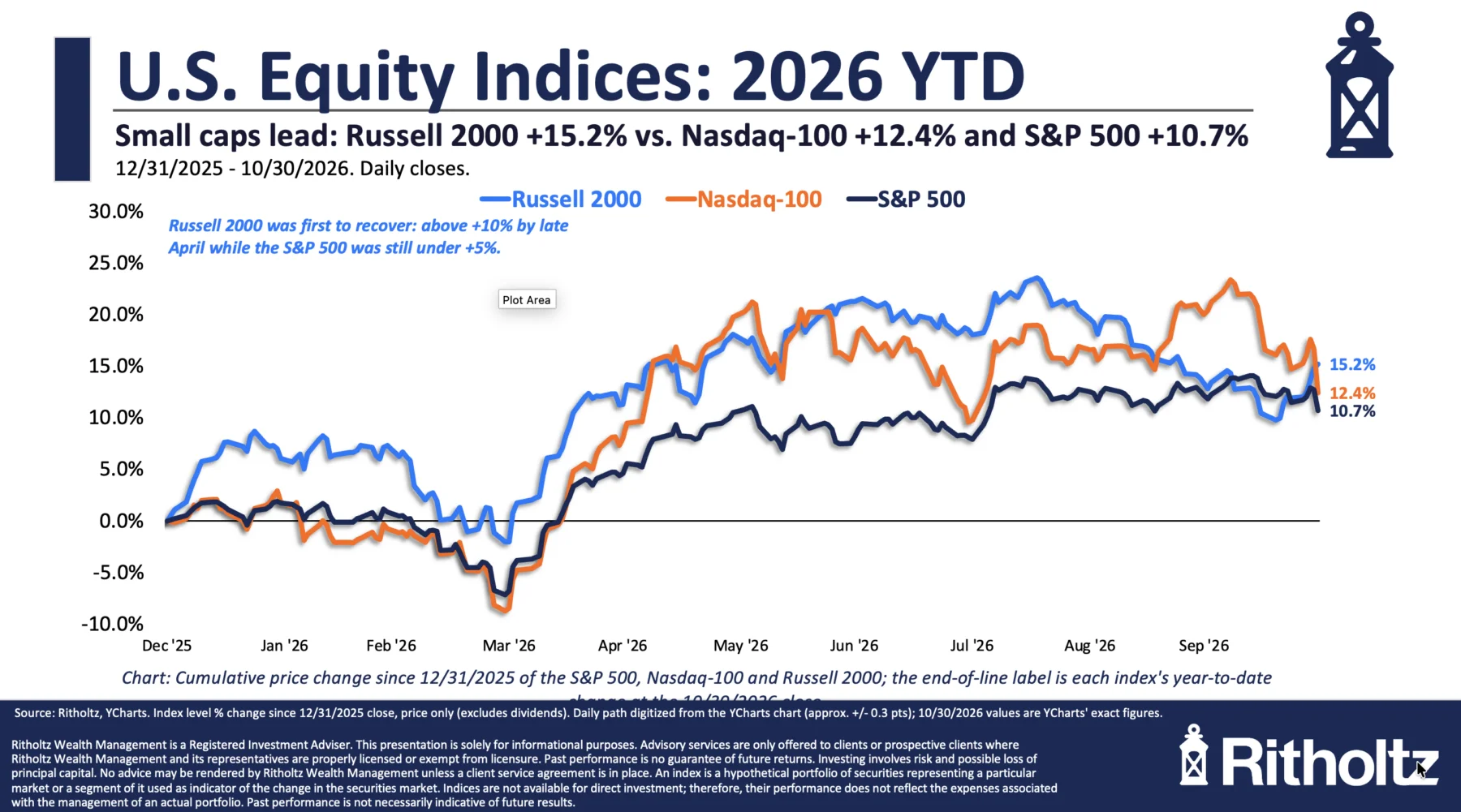
From an equity standpoint, markets have absorbed the shocks relatively calmly, especially in the US. The S&P 500 ended Thursday up approximately 0.2%, while the Dow Jones Industrial Average remained stable near 50,927, and the Nasdaq Composite marginally increased to around 26,872, buoyed primarily by technology stocks. Despite the bond market tremors, solid performances in the tech sector, including encouraging results and guidance from Accenture and strong forecasts from Micron, have lent some support, offsetting weaknesses in more rate-sensitive industries such as real estate and utilities.
Meanwhile, European markets reacted more adversely, with indexes in London, Paris, and Frankfurt each declining by 1% to 1.7%, showcasing the regional impacts of rising yields. Year-to-date performance remains positive for US indices, with the S&P gaining around 12% and the Nasdaq approximately 16%. However, the month of September was lackluster outside the technology sector, and the persistent high yields are increasingly perceived as a challenge to the valuation of equities.
In the world of digital assets, the beginning of the quarter finds Bitcoin fluctuating near $84,000, having briefly surpassed $85,000 after achieving a remarkable third-quarter gain exceeding 40%. Ethereum remains around $2,700, reflecting an even stronger quarterly gain of about 70%. However, significant headwinds persist for speculative assets like cryptocurrencies, exacerbated by the climbing Treasury yields.
Looking to the month ahead and into 2026, the outlook is mixed. If growth remains strong and the Federal Reserve indicates patience—reflecting only a modest chance of further rate hikes soon—risk assets might still find support. However, the combination of sustained yields over 5%, elevated energy prices, and massive sovereign debt issuance suggests that volatility could continue to be a theme across bonds, equities, and cryptocurrencies as the year draws to a close.
Looking Ahead: Navigating High Bond Yields and Market Stability
As we approach the end of the year, the financial landscape is presenting a complicated picture. Bond yields have reached levels not seen in decades, and this shift in the fixed-income market carries significant implications. While bond yields typically threaten stock market performance — leading investors to shift their focus — current stock prices have remained notably stable. This divergence raises critical questions about market fundamentals and investor sentiment.
Here's the thing: the persistence of higher bond yields could signify a recalibration of risk and reward across investment portfolios. If you're managing assets or advising clients, understanding this interplay is essential. Higher yields may compel investors to reassess the attractiveness of equities, especially in sectors previously deemed safe or reliable.
What we’re witnessing isn’t just a passive consolidation in the cryptocurrency market, but a broader reflection of investor psychology. The stability of stock prices amid rising yields may point to underlying confidence despite economic headwinds. If this trend continues, it could reshape how portfolios are constructed and how risk is assessed across asset classes.
Looking forward, it’s vital to monitor the market closely. How long the duality of rising bond yields and stable stocks persists is uncertain. A backlash could come swiftly if investor sentiment shifts or if macroeconomic conditions change. Remaining adaptable and holding a diversified approach will be crucial for navigating the complex market dynamics ahead.
For more detailed analysis, check out the full article [here](https://www.crowdfundinsider.com/2026/10/314984-global-bond-yields-hit-multi-decade-highs-as-stocks-hold-and-crypto-consolidates-into-q4-analysis/).