Bitcoin and Ethereum saw significant declines this week as geopolitical tensions and market instability led to heavy liquidations across digital assets.
Market Turmoil in Digital Assets
Bitcoin (BTC) and Ethereum (ETH) faced a significant downturn this week, mirroring a broader contraction in the cryptocurrency market as risk appetite diminished. This sell-off didn't just affect the largest cryptocurrencies; it also extended to prominent altcoins like Solana (SOL), Binance Coin (BNB), and Cardano (ADA). The pattern is familiar: when leveraged positions are liquidated, traders often flee to the most liquid and established assets.
Recent market analyses from October 8 and 9 highlight that Bitcoin struggled to sustain its value, dropping below previous highs that hovered around $87,000. Ethereum endured an even sharper decline, testing key support levels around $2,500. The pressure on these digital currencies reflects investor caution, compelling many to shed positions in a market increasingly characterized by instability.
Solana and Cardano faltered after they couldn't maintain recent trading ranges, adding downward pressure to BNB as well. Across the board, total cryptocurrency market capitalization experienced a rapid and significant reduction, driven by heavy liquidations primarily among long positions. Efforts to stabilize spot products tied to Ethereum further exacerbated selling, rather than providing support during the downturn.
Wider Economic Picture and Geopolitical Influence
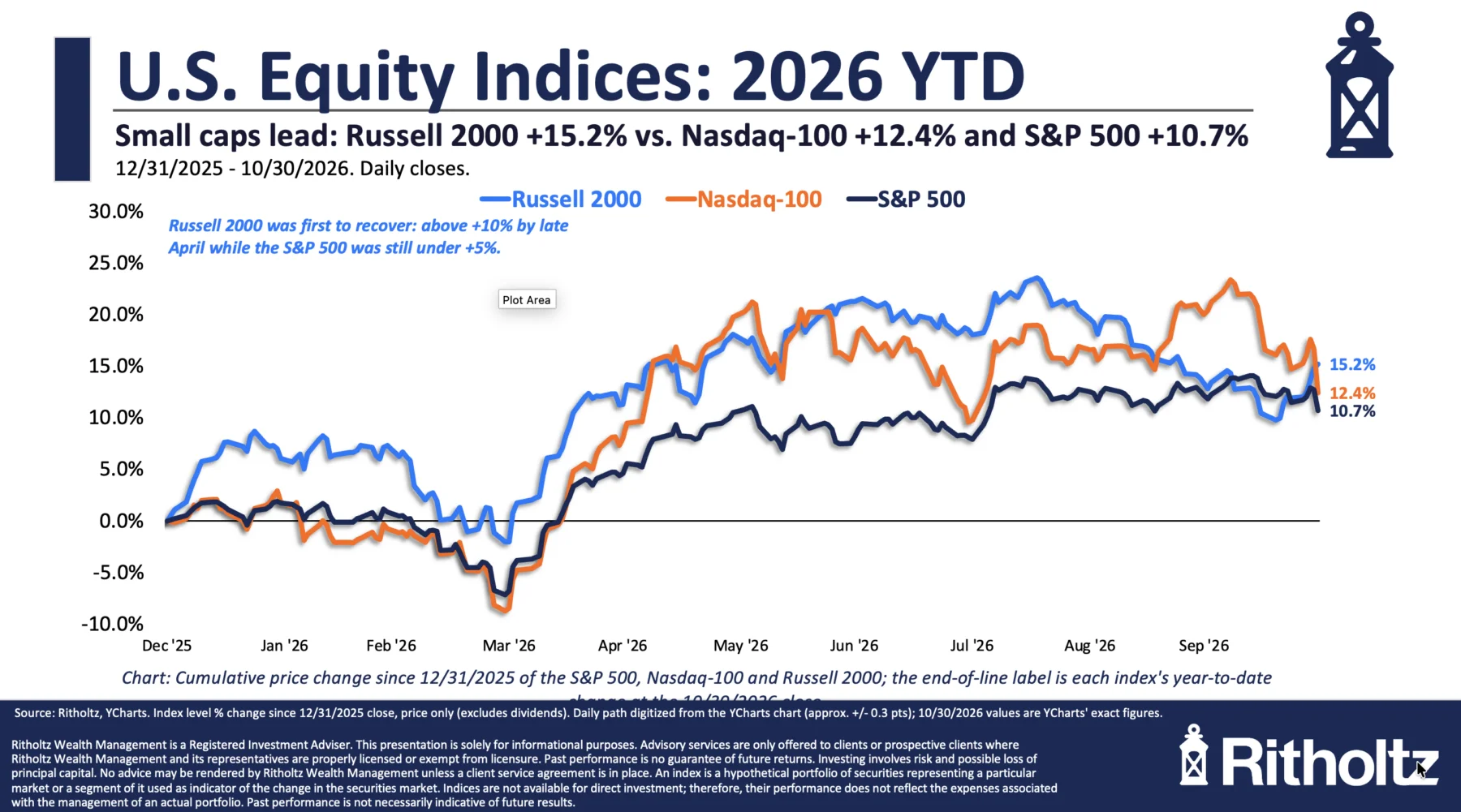
This tumult in the crypto arena should be viewed within a larger financial context, particularly against rising geopolitical tensions, notably the unresolved conflict involving Iran. Reports from early October indicated that Washington has directed the Pentagon to prepare military options, a development that not only affected oil prices by pushing Brent crude above $105 a barrel but also reverberated through equities. The S&P 500 and Nasdaq closed the session lower, indicating a ripple effect across markets.
Bond yields, already under pressure for months due to rising inflation fears linked to potential disruptions in Gulf oil supplies, add another layer of complexity to the situation. While stocks have been resilient, particularly among AI-driven indices, the latest geopolitical developments reveal just how quickly energy crises can influence asset classes, including cryptocurrencies.
Investors currently face a precarious conundrum. On one hand, the energy market and regional conflicts threaten economic growth; on the other, corporate profitability may provide a buffer against downturns. As we look toward 2027, the balancing act hinges on whether escalating oil prices and tightening financial conditions will ultimately hinder growth or fade into the background if companies maintain strong earnings.
AI Investment as a Counterbalance
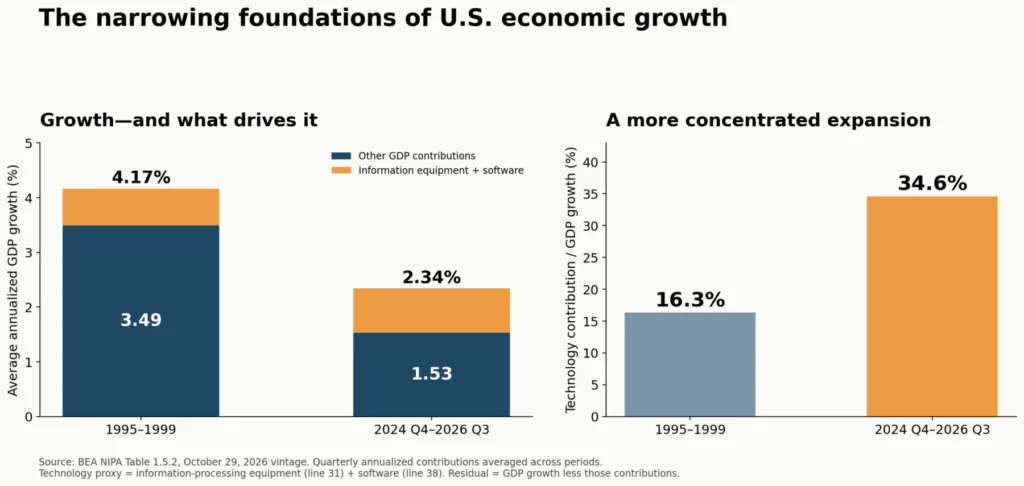
Interestingly, the rise of artificial intelligence spending offers a contrasting narrative. According to the recent 2026 State of AI Report released by Air Street Capital, the revenue trajectory for companies like OpenAI and Anthropic is projected to reach approximately $105 billion by late summer, surging from around $30 billion at the start of the year. With Nvidia driving much of this growth through its supply of essential chips and systems, the infrastructure supporting AI advancement continues to flourish, pumping substantial capital into the digital economy.
This dichotomy leaves digital assets at a crossroads. They are navigating the corrections propelled by Ethereum and larger altcoins amidst an unpredictable marketplace stirred by geopolitical unrest, while at the same time, sectors like AI reveal a fast-paced and expanding growth engine. As investors build strategies for their portfolios, the interplay between these dynamics into 2027 will likely dictate market behavior and sentiment for the foreseeable future.
Market Trends: Navigating Volatility Ahead
The recent downturn in the cryptocurrency markets, particularly for leading assets like Bitcoin, Ethereum, and Solana, isn't just another blip on the radar; it's indicative of deeper issues influenced by geopolitical events, specifically rising tensions in Iran. As we move towards 2027, the interplay between global politics and market dynamics becomes crucial for any serious investor.
What may appear as just another fluctuation in asset values carries wider implications. When major cryptocurrencies experience drops in value, it resonates through the financial ecosystem, influencing everything from trading volumes to retail investor sentiment. The question on the minds of many is this: can the crypto market sustain growth while tangled in the web of international politics? For those involved in the space, this scrutiny is vital.
There’s uncertainty looming about whether these declines are temporary or herald a more significant market correction. Furthermore, the upcoming regulatory changes can either bolster or undermine investor confidence. Experienced market participants know that volatility offers both risk and opportunity. It's about discerning which side of that equation your strategy will align with.
If you're actively trading or planning to allocate capital in cryptocurrencies, you need to stay alert. The current environment is shaky, but it might also present unique openings for savvy investors. Those who can navigate these turbulent waters may just find that volatility, while daunting, can be turned into advantage under the right circumstances.
So as you assess your next steps, remember: understanding the broader context is as essential as any technical analysis you might conduct. Keep a close eye on international developments and their potential ripple effects on crypto valuations—actionable insights come from seeing beyond the charts. For ongoing updates, consider checking resources like [Crowdfund Insider](https://www.crowdfundinsider.com).