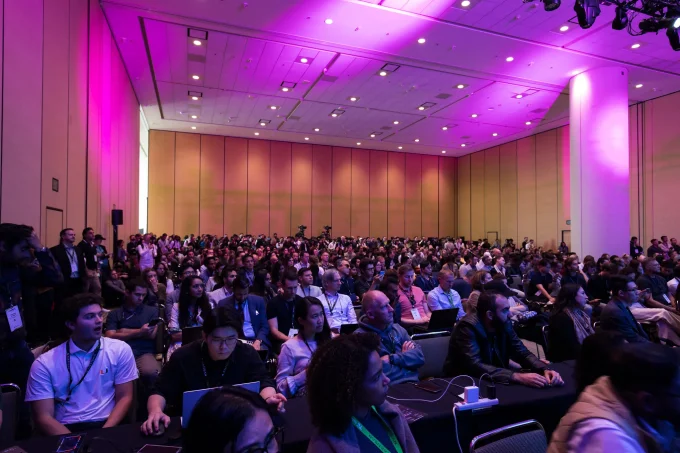
TechCrunch Disrupt 2026 opens at Moscone West in San Francisco on October 13 at 8 a.m. PT. Hundreds of startups and thousands of founders, investors and technology leaders are expected, bringing a broad cross-section of the tech industry into one venue. For attendees, that concentration can make it easier to compare ideas, hear how companies describe their markets and meet people working on related problems. But a busy event schedule is only a starting point; the useful work is deciding which conversations merit time.
A short window to plan for the event
Pass discounts remain available during the final three days before doors open: savings of up to $100, plus 50% off a second ticket of the same type. Groups registering four or more attendees can access additional savings. Review pass options, including the second-ticket offer and group pricing. The discounts may reduce the cost of attendance, but the practical value still depends on which sessions, meetings and exhibits fit an attendee’s priorities. With only days to go, a little planning can help keep the event from becoming a string of missed appointments and crowded rooms.

Startup Battlefield puts early-stage firms in focus
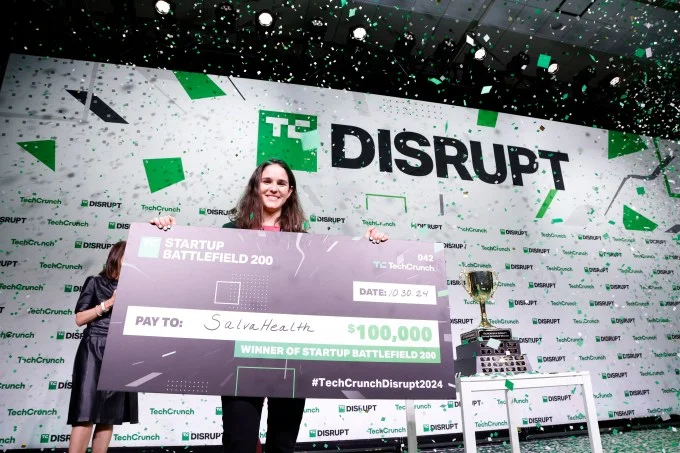
Disrupt’s Startup Battlefield 200 brings a selected group of early-stage companies before investors, media, prospective customers and the broader technology community. Twenty finalists will pitch on the Disrupt Stage for a $100,000 prize and the Disrupt Cup. For founders, the competition offers visibility; for attendees, it provides a close view of companies seeking traction and capital. That makes the pitches a useful snapshot of how founders are framing their products and the problems they hope to solve, though a stage presentation can only offer a first impression of a company’s prospects.
The competition also gives attendees a common set of companies to discuss. Investors may listen for a clear customer need or evidence that a business can grow; prospective customers may focus on whether a product addresses an immediate problem. Those are different tests, and neither is settled by a pitch alone. The opportunity is to hear the claims, then ask sharper questions in follow-up conversations. Visibility matters. So does what comes after it.
Expo Hall features more than 300 startups
The competition is only one route to company discovery. More than 300 startups across sectors and stages will exhibit in the Expo Hall, where attendees can meet founders and assess products and business ideas directly. That breadth can make the floor useful for spotting companies and offerings outside the event’s headline pitches. It also changes the kind of attention required: a visitor can move between demonstrations, compare how founders explain their businesses and ask questions that may not fit a formal stage presentation.
A crowded exhibition floor can be a noisy way to judge a business. Short conversations are good for learning what a company says it does, who it says it serves and what it wants from the people it meets. They’re less suited to confirming whether customers will pay, whether a product works at scale or how a company will compete. If you're working in this space, treat an introduction as the start of a more focused inquiry. Here's the thing: the value is often in noticing which questions founders answer clearly, and which ones require a longer conversation.

Six stages cover technology and company building
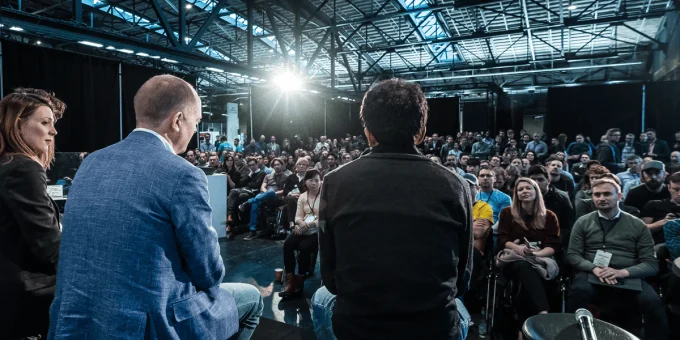
The agenda spans more than 200 sessions led by 250+ technology leaders across six stages, alongside roundtables and breakout sessions. Topics include AI, product development, go-to-market strategy, fundraising, finance, infrastructure and scaling. The mix gives attendees a chance to test ideas with speakers and peers while hearing industry perspectives and announcements. The range connects technical questions with the less visible work of building a company: finding customers, managing costs and choosing what to develop next.
That breadth is useful, but it can also make a schedule feel more definitive than it is. A session on a fast-moving topic gives a view of what speakers think matters; it doesn’t, by itself, establish that a trend will produce durable businesses or returns. Roundtables and breakouts may allow more exchange than a large presentation, while conversations with peers can surface practical concerns that a formal agenda leaves out. Attendees will need to choose which format best serves the question they’re trying to answer. (And this is the part most people overlook.)
The numbers here are impressive, but the quantity of sessions and speakers isn’t a measure of quality on its own. A packed program can create options and competing demands at the same time. The more useful measure will be whether people leave with clearer questions, relevant contacts or a better grasp of how companies are approaching their markets. That’s a more modest claim than promising a breakthrough—and a more credible one.
Pass pricing and attendee options
With three days left before the event, attendees can find discounts of up to $100 and a 50% discount on a second pass of the same type. People affected by layoffs can access an Expo+ Pass for $75; groups of four or more can check group discounts. The event’s value will come down to the conversations attendees can turn into useful market and company insight. Each offer has its own terms and applies to a particular ticket or group situation, so prospective attendees will need to compare the options against the access they want.
What attendees can take away
For a founder, the event may create opportunities to explain a product, hear how others describe similar challenges and meet potential investors or customers. For investors and technology leaders, the concentration of startups and sessions can make it easier to scan what companies are building and how they’re positioning their work. Those are possibilities, not guaranteed outcomes. A meeting is only useful if there’s a reason to follow up, and a persuasive presentation still needs to stand up to questions about customers, execution and the economics of the business.
The strongest value may be comparative: hearing several companies discuss their markets, then weighing where their claims overlap and where they diverge. That can sharpen a reader’s view of the questions founders are trying to answer, even when the event itself can’t settle them. What this means for you depends on what you’re looking to learn and whom you need to meet. A full calendar helps only when it leaves room for the conversations that change your understanding.
Disrupt 2026 brings pitches, exhibits and programming together over a short period in San Francisco. The scale promises plenty to see, though scale alone doesn’t tell attendees what will prove consequential. The more durable takeaway may come from checking ambitious claims against concrete questions and taking only the most useful discussions beyond the event. A starting point, not a verdict.