The strongest case for attending Founder Summit is the range of ways to learn in one day. A good session can sharpen your thinking; a conversation afterward may change what you do next. With the event set for tomorrow, November 4, the format matters: founders can hear practical advice, test their questions in smaller groups, watch pitches unfold, and keep talking between sessions.
TechCrunch Founder Summit 2026 brings founders and investors to Boston’s SoWa Power Station for a day of practical learning, candid discussion, live pitching, roundtables, and networking.
Register now to save up to $100 on your pass and receive a second pass free. Groups can also save up to 30% on bundles.
Practical choices, from first steps to scale
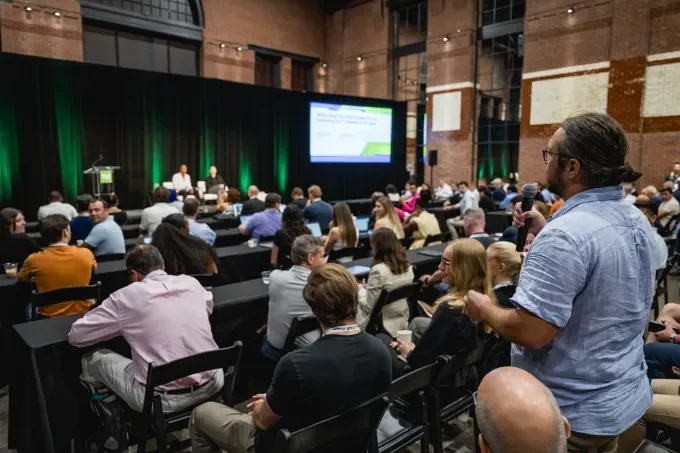
The Build Stage focuses on the decisions that shape a young company: finding distribution, raising capital, building a team, and telling a clear story. Those are operational questions, not abstract startup advice, and founders can bring the lessons back to work immediately. Hunter Worland of NEA will examine how distribution can become a competitive edge when strong technology by itself doesn’t bring in customers. Kristen Craft of Fidelity Private Shares will discuss current fundraising trends and what they mean for founders preparing to raise. The program also takes up team performance and how to make a company’s pitch work for investors, customers, and prospective hires.
Dave Balter of True Ventures and Edisyl puts a pointed question to founders: does your pitch make someone want a second conversation?
The Impact Stage shifts the lens to what comes after early momentum: product-market fit, enterprise relationships, leadership, scaling, and durable growth. The hard part is deciding which signals justify expansion and which call for restraint. Steve Fredette, president, co-founder, and director of Toast, brings experience from one of Boston’s best-known startup success stories. Rudina Seseri, founder and managing partner of Glasswing Ventures, will explore when scaling makes sense—and when slowing down may protect the business. Kent Bennett of Bessemer Venture Partners will address how founders can tell whether product-market fit is strong enough to support the next growth phase. Chase Garbarino, CEO and co-founder of HqO, will discuss the Boston Founder Playbook and building ambitious companies beyond the Bay Area.
Here’s the useful tension: growth can look like progress even when a company is scaling the wrong thing. The Impact Stage gives founders room to step back and interrogate the timing and direction of that growth.
Smaller rooms for harder questions
Main-stage talks can offer a framework. The roundtables are designed to get into the particulars founders are wrestling with now: entering difficult markets, earning enterprise trust, keeping teams lean, and reaching major customers.
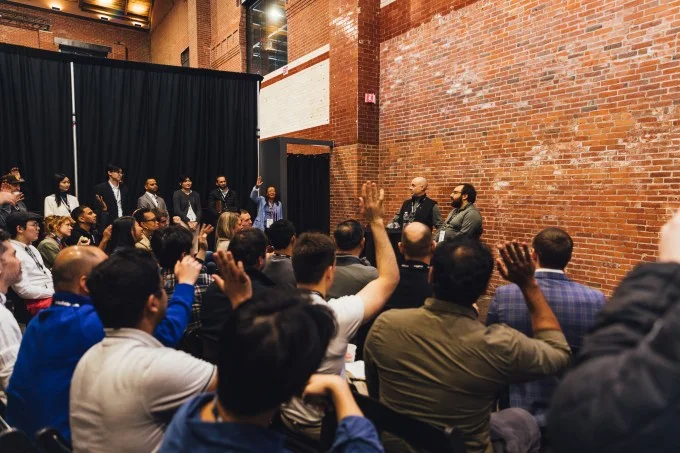
Chirag Shah of Define Ventures will tackle the challenge of entering a particularly difficult first vertical. A technical discussion with Shishir Tewari of Procore Technologies will focus on reducing AI hallucinations by giving systems better enterprise context. Merve Kitapci of ADIN.AI will get specific about landing large global customers before Series A. Andy Tang of Draper Associates will consider how to build when the market has no name for what you’re creating. And Linden Tibbets of IFTTT will explore how AI could change assumptions about team size, productivity, and what a small company can accomplish.
The format’s advantage is the chance to put your own problem on the table. You can compare notes with other founders and leave with ideas tied more closely to your company than a broad talk can provide.
Watch pitches—and the reactions they draw
At So You Think You Can Pitch?, founders will pitch investors including Dave Balter, Chirag Shah, and Simran Suri of Maveron.
Pitching advice is easy to hear and hard to apply. A live session makes the judgment visible: what catches an investor’s attention, where a story stalls, and what questions follow. If you’re preparing to raise, sell, recruit, or explain your company, those reactions can be more instructive than another set of general tips.
Make the conversations part of the program
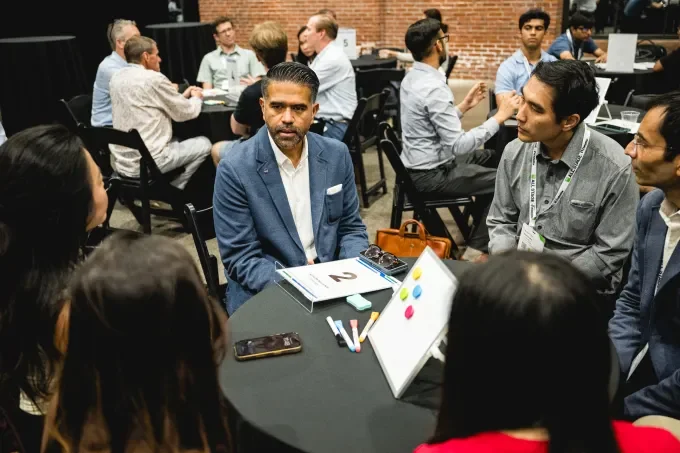
The Networking Lounge, powered by Braindate, gives attendees a way to arrange one-on-one meetings, join small groups, and find people focused on the same challenge. Hear a discussion about product-market fit, then compare notes with another founder facing it. Watch the pitch competition and talk with someone preparing to raise. The point is to carry the sessions into conversations that fit your own work.
A closing reception presented by Fidelity Private Shares gives attendees time to continue those exchanges after the sessions. That can matter: people often have more to say once they’ve shared a room, a question, or an earlier conversation.
Across the day, the stages offer practical guidance and space for larger decisions; roundtables invite detailed questions; the pitch session puts storytelling under pressure; Braindate organizes peer conversations; and the reception leaves time to follow up. That variety is the event’s clearest draw.
Bring someone who can use the day with you
TechCrunch Founder Summit 2026 takes place November 4 at SoWa Power Station in Boston. Passes include breakout sessions, roundtables, Braindate networking, the Expo Hall, and access to session materials after the event. A purchased pass also comes with a second pass free, so a co-founder or colleague can take part alongside you.
Get your pass, bring someone with you for free, and join the founder community in Boston.