TechCrunch Founder Summit’s Nov. 4 program puts startup operating questions at the center: when to scale, how to assess investor interest and what it takes to build a team. The one-day event will take place at Boston’s SoWa Power Station, with ticket savings of up to $100 available ahead of opening day. That mix of practical questions and a time-limited discount gives the event two clear pitches: access to advice and a lower price for acting early.
The agenda combines breakout sessions, founder and investor roundtables, live pitching, and networking through Braindate. Topics include fundraising, hiring, product-market fit, AI strategy and company growth. Official side events will also connect attendees with Boston’s startup community during the week. The breadth is useful, though it puts the burden on participants to choose sessions that match their immediate needs rather than trying to attend everything.
Sessions focus on startup operating decisions
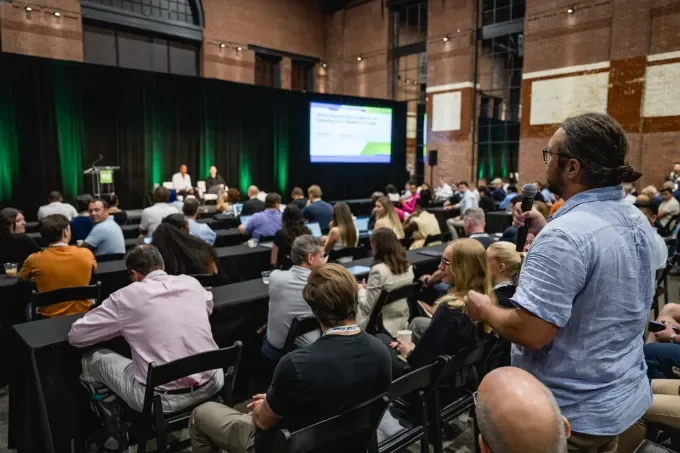
The format is built around practical discussions for founders navigating early company formation and growth. Two Q&A breakout stages and two interactive roundtable rooms will host conversations with operators and investors. Attendees can bring challenges around product-market fit, hiring and capital raising to sessions designed for direct discussion. That format can make advice more relevant than a general presentation, provided participants arrive with a specific problem and enough context to explain it.
These subjects are linked. A company’s hiring plans depend on the pace of growth it can support, while fundraising choices can shape both that pace and the room a founder has to adjust course. Product-market fit is often discussed as a milestone, but founders still have to judge whether demand is durable enough to justify adding staff or expanding a product. The agenda’s emphasis on operating decisions reflects that uncertainty.
Pitching is also part of the program, with founders receiving investor feedback on how they present their companies. The full agenda includes further details on the day’s sessions. A pitch can make a business easier to understand, but clarity of presentation and strength of the underlying business are separate questions.
- Breakout sessions will cover fundraising, hiring, product-market fit, AI strategy and growth. These topics touch decisions that often compete for a young company’s time and cash.
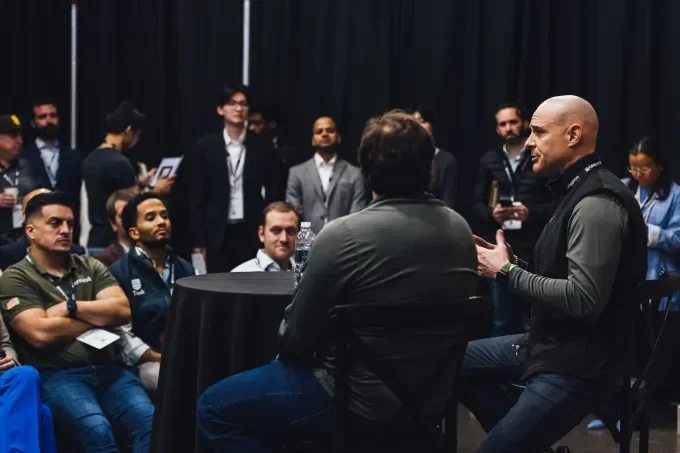
- Roundtables will give founders space to discuss operating challenges with experienced founders and investors. Smaller discussions may make it easier to compare trade-offs and ask follow-up questions.
- Pitch feedback will help participants refine how they explain their businesses to investors. The most useful feedback is likely to identify where the story is unclear or unsupported.
- Braindate networking will support one-to-one and small-group conversations among founders, investors and experts. Those conversations can be more focused when attendees know what expertise or perspective they’re seeking.
- Official Boston side events will extend discussions with the local startup community through the week. They offer another setting to hear how founders and operators in the area approach similar company-building questions.
Investors and operators bring distinct perspectives
The announced speakers span venture capital, security, workplace technology and startup building. Kent Bennett of Bessemer Venture Partners will address customer demand, product-market fit signals and the risks of scaling before a company is ready. That question has practical weight: growth can magnify a sound business, but it can also raise costs before customer demand is well understood.
Vineet Edupuganti of Cogent Security will discuss attracting ambitious employees and building trust through transparent communication and feedback. For an early team, those habits help shape how people surface problems and understand decisions while roles and processes are still taking form. The subject is less about recruiting language than what employees experience once they join.
Chase Garbarino of HqO will examine the trade-offs of building and scaling a category-defining business outside a major startup hub. The topic connects company strategy to geography: founders may need to build relationships, recruit talent and find customers across different networks. There’s no single formula implied by the session, but the questions can help founders test assumptions about where a company needs to be based.
Dave Balter, associated with True Ventures and Edisyl, will lead a pitch session on clarifying a startup’s value and earning a follow-up conversation with investors. Tina Tosukhowong of TDK Ventures will discuss how investors assess category leadership, including a company’s economics, scalability, competitive position and commercial timing. Put together, those sessions point to two sides of fundraising: a founder has to make the case plainly, and an investor still has to judge whether the business can grow on workable terms.
The announced speakers are part of a broader lineup; the speaker list has more details. The range of backgrounds may help attendees compare how the same operating question looks to an investor, a security founder or a workplace technology executive.
What founders can take from the program
The summit’s value will depend less on the number of sessions than on whether attendees leave with sharper questions and usable perspectives. A founder weighing a hire, a financing round or an expansion plan is unlikely to get a universal answer in a short event. Still, hearing how others frame the trade-offs can expose assumptions that are easy to miss inside a company.
This is more significant than it looks: the agenda puts the timing of decisions alongside the decisions themselves. Scaling, hiring and fundraising are often presented as separate topics, but each can narrow or widen a company’s options. If you’re working in this space, bring a live decision and ask what evidence would change your mind. A useful conversation can start there.
Boston event is one day away from its final countdown
With the summit scheduled for Nov. 4, the remaining week gives attendees a chance to review the agenda and plan conversations around their company’s current needs. Passes are being offered with savings of up to $100 before the event; the exact discount may depend on the ticket available. Readers should check the ticket page for the applicable offer and terms before making plans.
For founders, the program’s value will come down to how directly its sessions address decisions they’re facing now, from hiring and fundraising to expansion beyond established tech centers. A packed agenda can create access, but time and attention are limited; choosing a few high-value discussions may matter more than collecting a long list of sessions. The useful test is simple: will a conversation help clarify the next decision? Ticket information is available online.