Boston’s case for startup growth
Boston’s case as a place to build companies with national and international reach is the central theme of TechCrunch Founder Summit on November 4. The event at SoWa Power Station will bring founders, investors, and operators together for sessions on scaling and the practical realities of building outside traditional startup hubs. The premise is straightforward: a company’s location can shape access to customers, capital, and peers, but it doesn’t set a fixed ceiling on how far that company can grow.
TechCrunch Founder Summit is presented by Fidelity Private Shares. Its agenda includes breakout sessions and roundtables focused on startup growth. The format suggests a mix of prepared discussion and direct exchange, which can help attendees compare the decisions behind a company’s expansion with the problems they’re facing now. Ticket prices are set to increase after November 2, when special group discounts also expire. Ticket details are available here.
Scaling from Boston
Toast offers one example of a company whose reach outgrew its home market without leaving it behind. Steve Fredette, president, co-founder, and director of Toast, will discuss the company’s path through customer acquisition, product-market fit, scaling, and the changes that follow an initial success. These stages are connected: early traction can show that a product answers a real need, while expansion tests whether the business can keep delivering as customers and operations grow. The discussion puts a practical lens on how a Boston-founded business can pursue national and global markets. This is more significant than it looks: the challenge isn’t simply winning customers elsewhere, but building an organization that can serve them consistently.
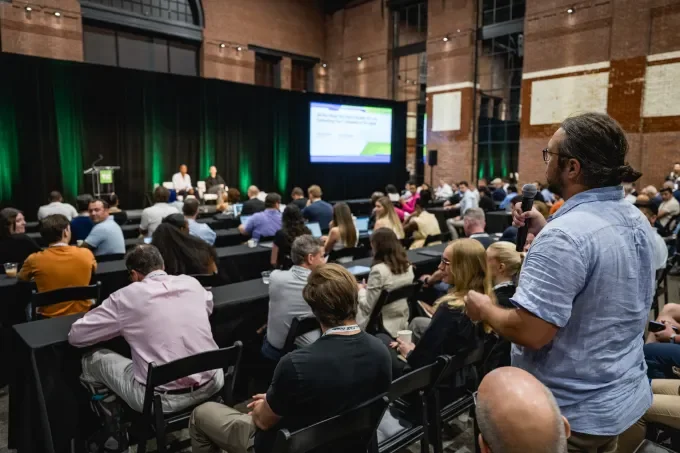
HqO’s experience adds a second perspective on geography and growth. Chase Garbarino, CEO and co-founder of HqO, has spent more than a decade building the company from Boston, raising significant capital and expanding internationally. He’ll address the trade-offs and day-to-day realities of growing a company in a city outside the traditional West Coast startup centers. The account should offer a useful counterpoint to the idea that founders must relocate to scale, while leaving room for the harder question: which parts of a company’s growth depend on local relationships, and which can be built across markets?
The full agenda includes more details on sessions and speakers. For attendees, the value will depend on how much those discussions get beyond broad claims about growth and into the operating choices that made it possible.
Connections beyond the stage
The event’s value also depends on who meets in the room. Braindate networking is designed to help Boston-area founders, investors, and startup leaders find peers working through similar challenges. That can matter because growth decisions rarely arrive as isolated puzzles: hiring, customer acquisition, financing, and market expansion often affect one another. A peer conversation won’t settle those trade-offs, but it can expose assumptions that feel obvious inside a single company.
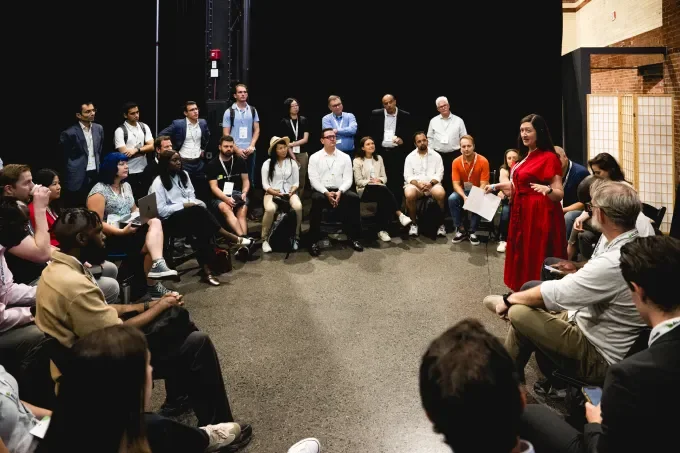
Facilitated roundtables pair founders and venture capitalists for focused discussions led by a scaling expert. The structure gives participants a defined topic and a guide, which may make the exchange more useful than an open-ended networking session. And this is the part most people overlook: the quality of a room depends less on the number of introductions than on whether people can speak candidly about decisions that didn’t work. If you’re working in this space, those practical comparisons may be as valuable as the headline speaker sessions.
Official side events extend those conversations across Boston’s startup community. Taken together, the agenda and networking put local company-building experience at the center of the day. The broader test is whether those meetings lead to relationships that remain useful after the event ends. Potentially. But a packed schedule alone can’t demonstrate that.
What the summit can clarify
The event’s central proposition is that founders can build ambitious companies from Boston while accessing customers and capital beyond the region. The speakers’ experience gives that proposition some grounding, but two company stories can’t establish a universal formula. Different businesses face different demands as they grow, and an approach that fits one product or market may not transfer cleanly to another.
That said, the questions on the agenda are concrete: how to find product-market fit, acquire customers, raise capital, and adjust operations as a company expands. A useful discussion would connect those choices to the constraints founders actually face, including the need to decide where local presence matters and where it doesn’t. The summit may help attendees make those comparisons. It won’t make the decisions for them.
November 4 in Boston
For founders assessing how to scale from Boston, the summit brings operating stories and peer discussion together in one place. It takes place November 4 at SoWa Power Station; ticket information and available deals are here. Ticket prices are set to rise after November 2, and group discounts also expire then, so the stated deadlines may matter to people planning to attend together.