TechCrunch Founder Summit is building structured networking into its Nov. 4 program at Boston’s SoWa Power Station. For founders and investors, that format offers a practical way to turn shared questions about fundraising, hiring and growth into focused conversations. A packed event can produce plenty of introductions; the harder part is finding time to discuss a problem with someone who understands it.
Presented by Fidelity Private Shares, the summit will combine a full day of sessions with opportunities to meet peers across the founder community. Its networking design centers on conversations attendees can arrange around specific needs and carry into the rest of the program. That may help people use the day with more intention, though the value will depend on who attends and how much time they make for those discussions.
Start with a question, not a room full of strangers
The Founder Summit Networking Lounge, powered by Braindate, lets participants schedule one-on-one or small-group discussions. Attendees can bring a challenge or topic—such as fundraising strategy, hiring, enterprise sales or building a company in Boston—and meet others interested in the same subject. The setup gives a conversation a purpose before it begins, which can make an introduction easier to act on than a quick exchange of business cards.
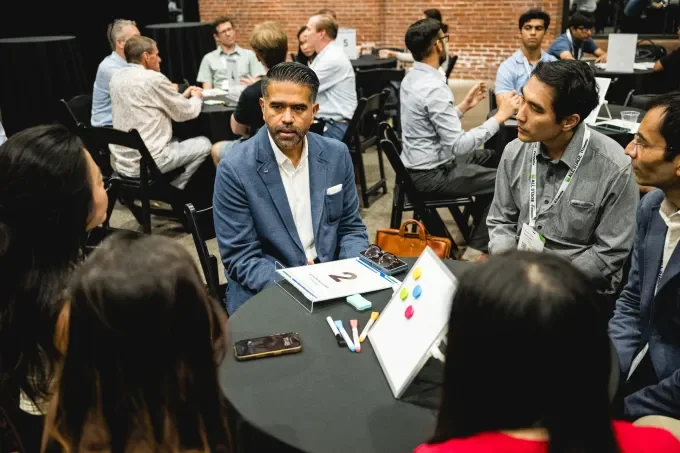
That structure may help make a crowded event more useful: participants can arrive with a concrete question, share what they’ve learned and find people working through similar decisions. A focused discussion also gives attendees a clearer reason to follow up afterward. The numbers here are underwhelming if judged by introductions alone; the more meaningful measure is whether people leave with a useful perspective or a contact they’ll actually keep.
Carry program ideas into peer discussions
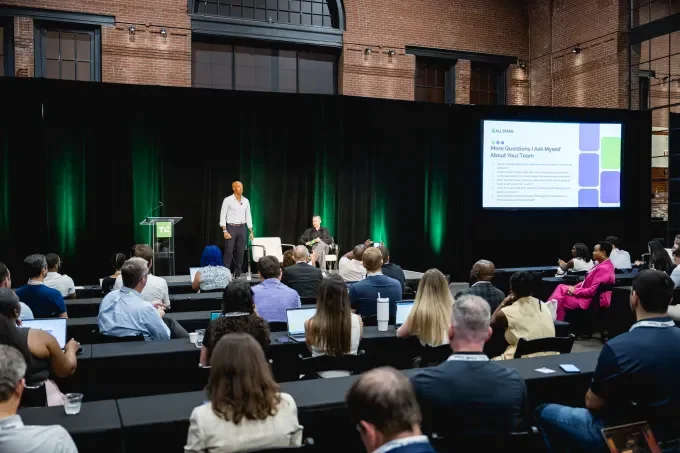
Braindate conversations can extend topics raised onstage. After Kent Bennett speaks about product-market fit, founders can compare their own experiences and discuss how they assess whether customer demand is taking shape. Those watching founders pitch to investors can talk through fundraising with others preparing for a raise, while a session with Chase Garbarino on building in Boston can lead into conversations with local operators.
That link between a session and a follow-up discussion matters because broad advice can be hard to apply to a company’s specific circumstances. Peer conversations can surface different approaches and trade-offs, even when participants don’t reach a single answer. Here’s the thing: a useful exchange won’t replace a founder’s own judgment, but it can expose assumptions that go untested in a keynote audience.
The agenda supplies the starting points; peer discussions give attendees a place to test ideas and exchange practical experience. For someone weighing a hiring plan or a sales approach, hearing how another team frames a similar decision may be more useful than collecting another general principle.
More formats across the day—and across Boston
Networking extends beyond the lounge. Roundtables bring smaller groups together around defined topics, while breakout sessions let attendees raise questions with panelists. The Expo Hall offers another place for founders, partners and investors to meet, and the closing reception leaves time to continue conversations after the sessions.
Each format serves a different purpose. A roundtable can keep a discussion centered on a shared subject; a breakout gives participants a chance to put questions to speakers; informal conversations in the Expo Hall may help people discover connections they didn’t plan in advance. And yet, a schedule full of options still asks attendees to choose. A little preparation—knowing which question matters most—can make those choices easier.
Official Side Events will also take place around Boston throughout the week. That wider schedule gives attendees several settings to meet people and continue discussions beyond the main venue. For visitors and local founders alike, conversations outside the formal program may offer more time to compare experiences without the pressure of moving quickly to the next session.
What structured networking can—and can’t—deliver
For startup teams, a well-matched conversation can be as valuable as a page of notes. The summit’s format is designed to help attendees make those connections during the event and keep them going afterward. This is more significant than it looks: founders often face decisions with incomplete information, and a candid exchange with someone dealing with a related problem can help clarify the questions they need to answer.
Still, a meeting format can only create the conditions for a useful exchange. It can’t guarantee that participants will find the right counterpart, share relevant experience or follow up once the event ends. If you’re working in this space, the practical opportunity is to arrive with a specific question and listen for what another person’s experience can—and can’t—tell you. (And this is the part most people overlook.) A strong contact is a beginning, not an outcome.
Preparation, then follow-through. That’s where the value is most likely to become concrete: in comparing notes, checking whether an idea fits your company’s circumstances and staying in touch when there’s a clear reason to do so.
Pass details
TechCrunch Founder Summit takes place Nov. 4 at Boston’s SoWa Power Station. The event’s ticket page advertises savings of up to $100 on a pass and a second pass free before doors open. Those terms are presented as ticket promotions; readers can check the linked page for the available details and any conditions. Ticket information is available here.